Free shipment protection
Included on every order
FOR RESEARCH USE ONLY — Not for human or veterinary use. Not a drug, food or supplement. Information shown summarizes published laboratory and preclinical research for reference.
Metabolic & Longevity Compound
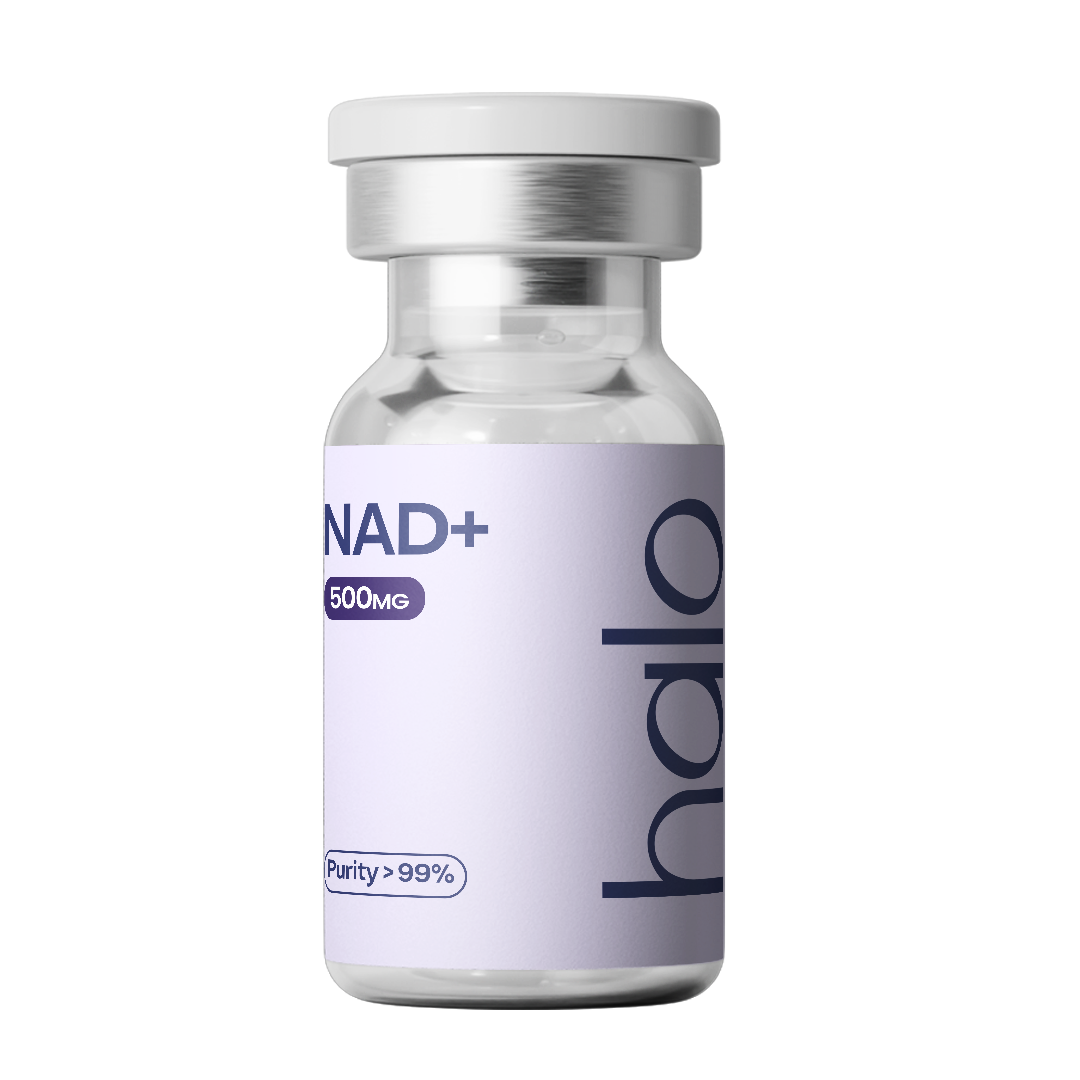
NAD+
Nicotinamide Adenine Dinucleotide / NAD+
Nicotinamide adenine dinucleotide supplied as a research-grade lyophilized compound. Available in 500mg, and 1000mg formats.
Longevity Research
Metabolic Research
$37.99
Overnight shipping available
Calculated at checkout
Overnight shipping available
Calculated at checkout
We accept
ApplePay VISA 

Free shipping on orders over $150
60-day money-back guarantee
Secure checkout 256-bit SSL
Frequently Researched Together
Metabolic & Longevity Compound
Semax
Cognitive Research Compound
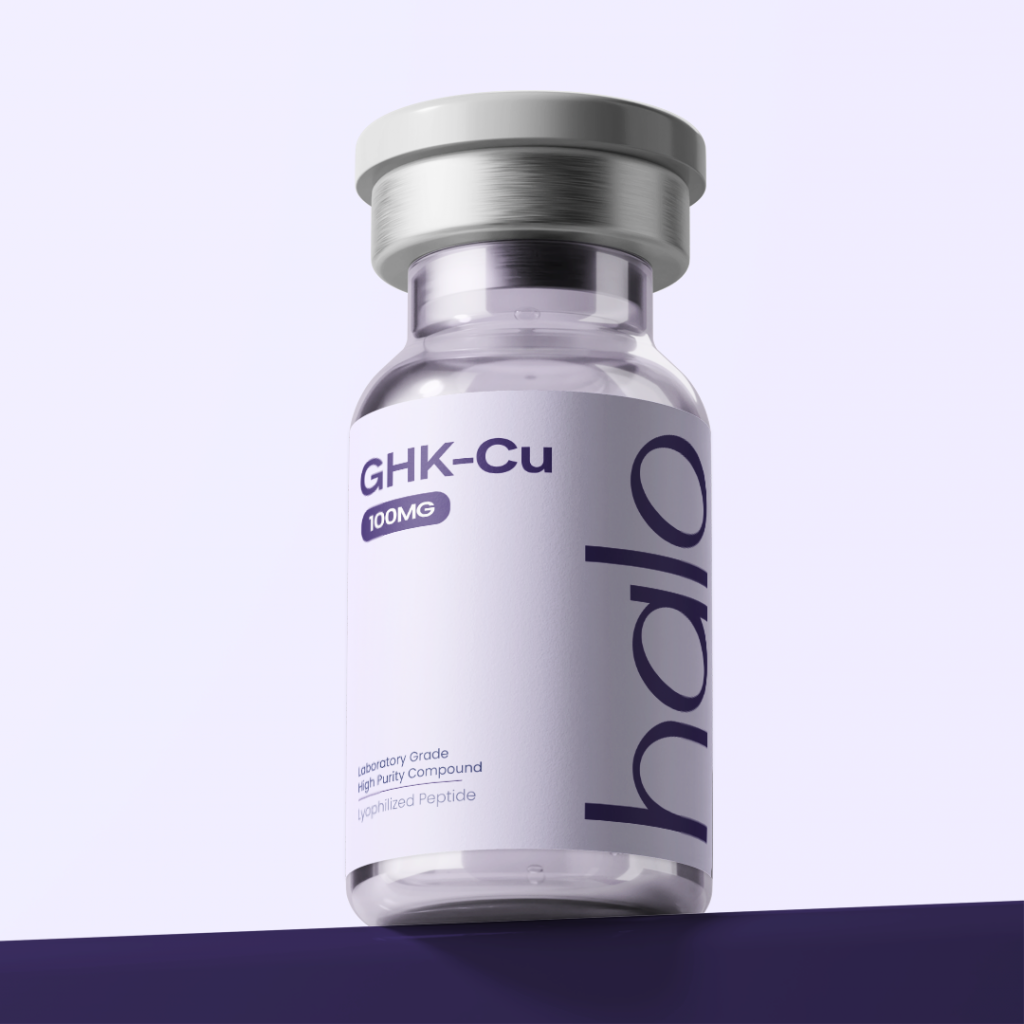
GHK-Cu
Longevity, Recovery & Skin Research Compound
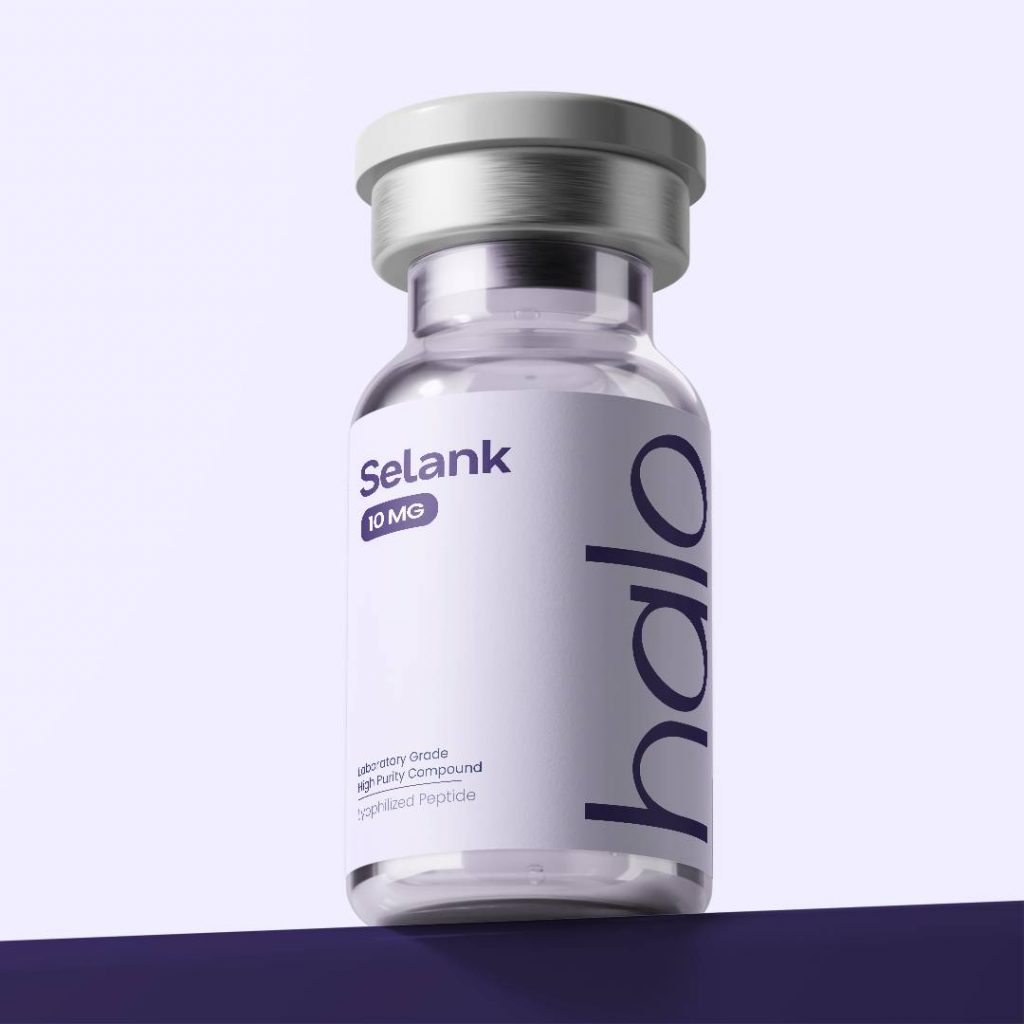
Selank
Cognitive Research Compound
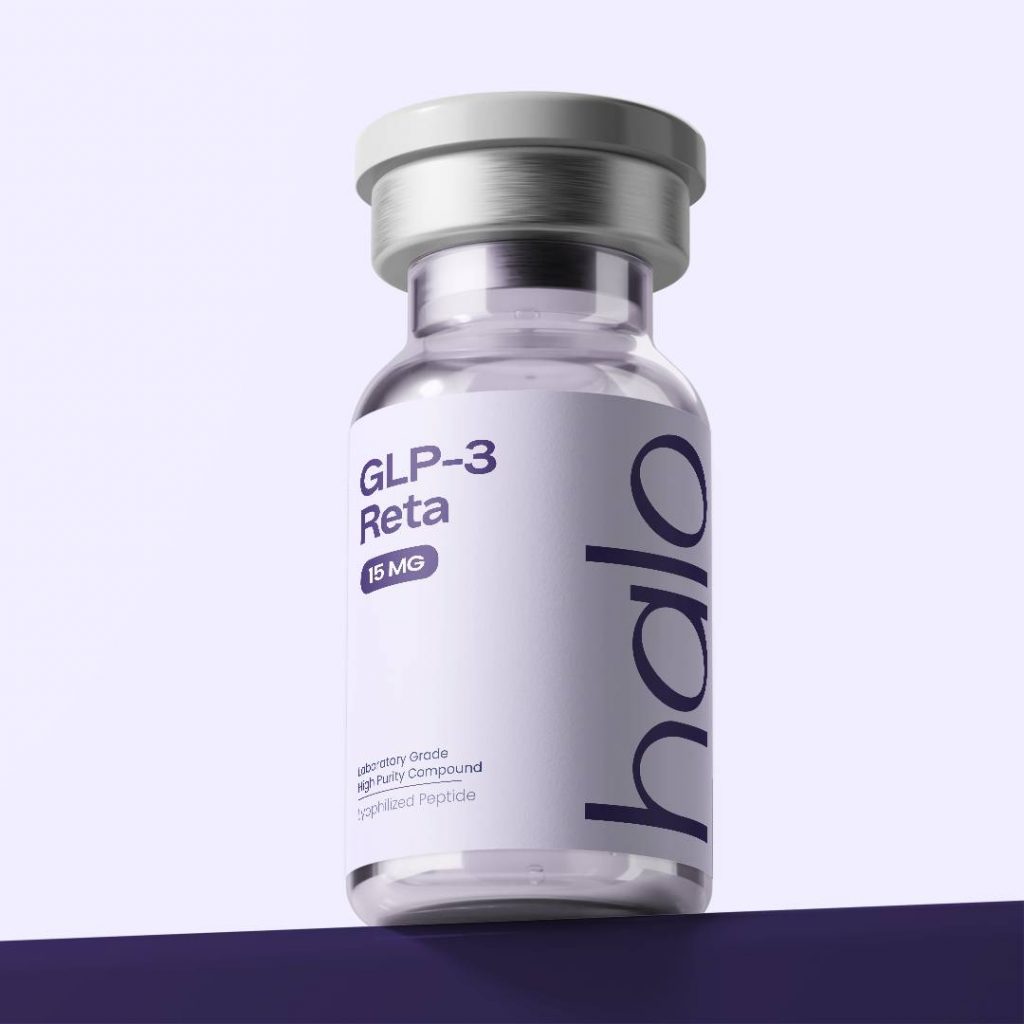
GLP-3 Reta
Metabolic Compound
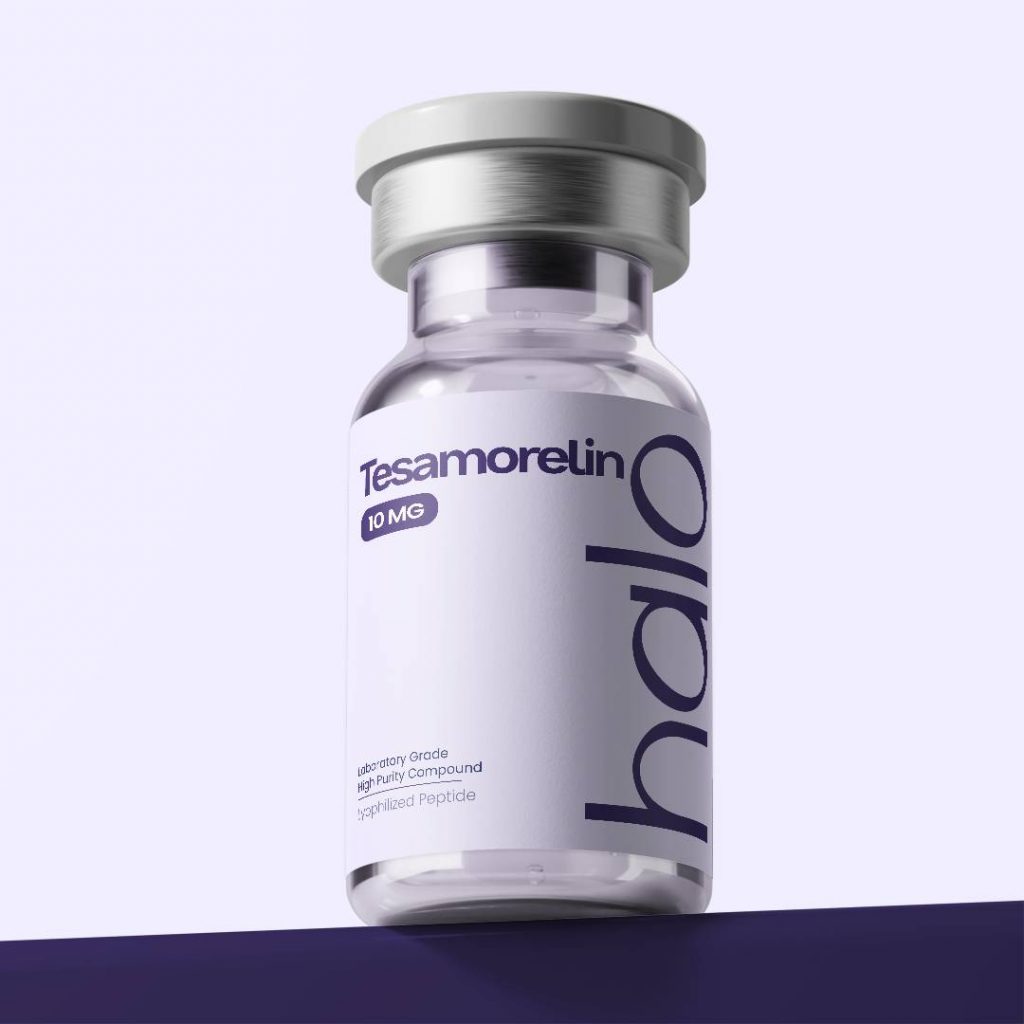
Tesamorelin
Metabolic & Growth Compound
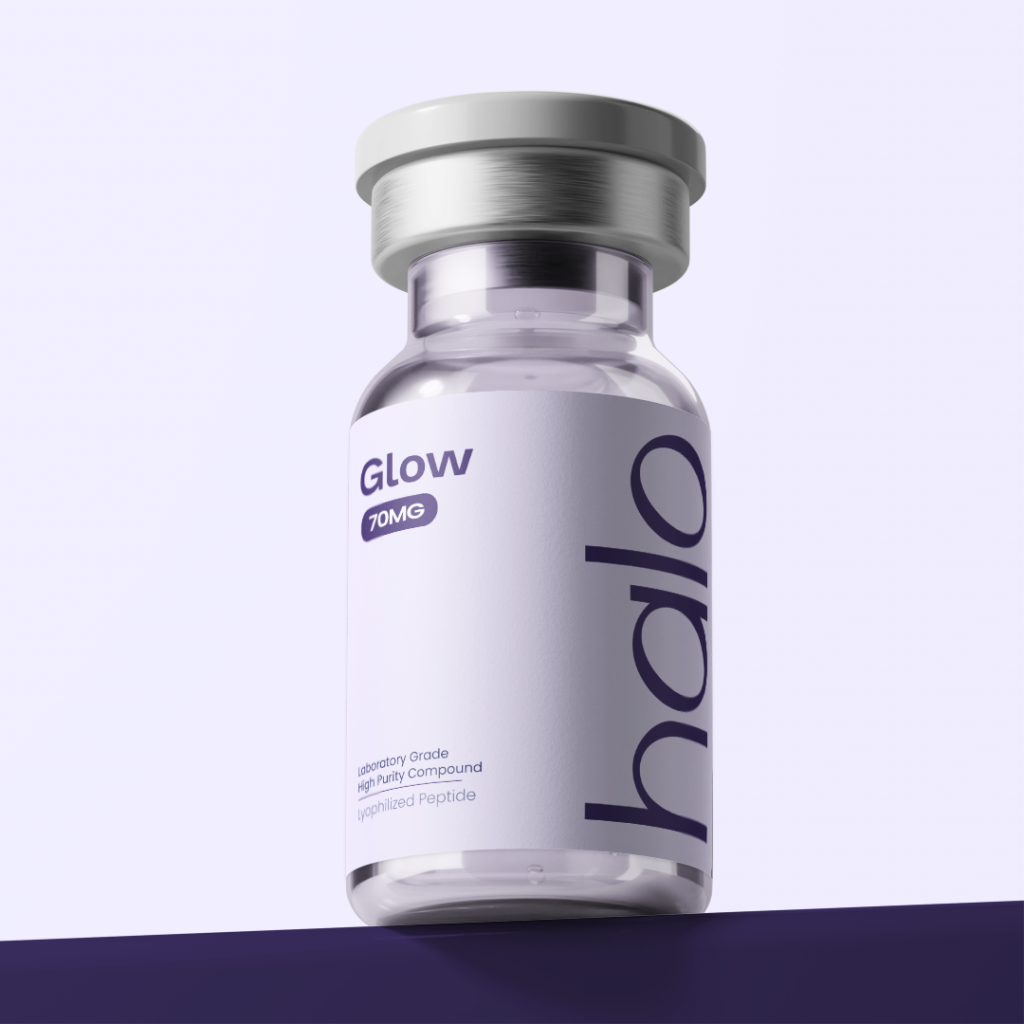
Glow
Longevity, Recovery & Skin Research Compound
Compound Information
Technical specification overview
Molecular Profile
What Is NAD+?
Compound
NAD+ (Nicotinamide Adenine Dinucleotide)
Synonyms
NAD, Coenzyme I, DPN, Cozymase
Class
Coenzyme / Electron carrier
Research Focus
Cellular energy, longevity, sirtuin activation, DNA repair
Handling
Store at -20C, protect from light and moisture
Storage Requirements
Stability Information
Protect from light
Avoid repeated freeze-thaw
Keep dry until reconstitution
Lyophilized (powder)
-20C·up to 2 years
In solution
2-8C·up to 30 days
FAQ
Frequently Asked Questions
Keep at -20C protected from light. Reconstituted solutions at 2-8C, use within 30 days.
Yes. Every batch is quality tested. Certificates available per lot.
No. For laboratory and research use only.
Sources & References
Peer-reviewed research
NAD+ metabolism and aging in preclinical models
2022 View SourceNicotinamide adenine dinucleotide research advances
2021 View Source
Important Research Notice
Not for human consumption. Sold for research and educational purposes only.